

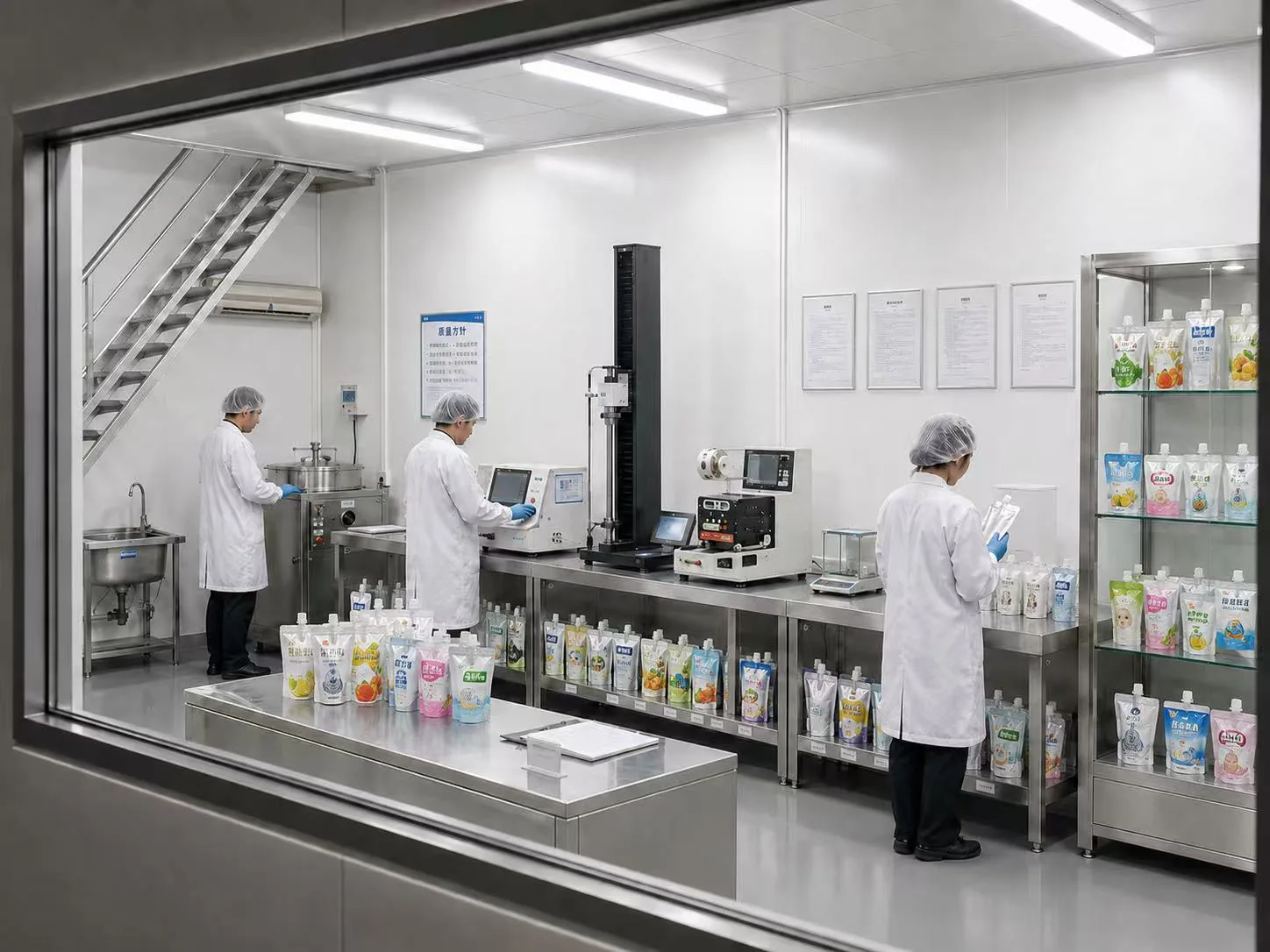
Yuesheng Printing Quality System
Quality Management for Custom Flexible Packaging
From material selection to printing, lamination, bag making and final inspection, Yuesheng Printing controls each production step to support stable packaging quality.
Production Planning & Quality Management Process
From raw material quality control, artwork confirmation, plate making, printing, lamination, curing, pouch making, final inspection, and packing, we arrange production planning according to order requirements and manage quality at key production stages. For spout pouch production, we focus on lamination stability, curing performance, spout welding, heat sealing, and final sealing quality to support stable production for liquid, semi-liquid, and refill packaging.
Raw Material Quality Control
Before production, we control the quality of food packaging films, laminated materials, spout fittings, and related raw materials. Material specifications, thickness, appearance, cleanliness, and application suitability are checked to ensure they meet order requirements and provide a stable foundation for printing, lamination, heat sealing, spout welding, and pouch making.
Artwork Confirmation & Production Preparation
Before production, we review the confirmed packaging artwork, pouch specifications, material structure, printing colors, and order requirements. Production information is organized, and plate making, printing, lamination, curing, pouch making, and inspection plans are arranged to prepare for the following production process.
Plate Making Preparation
Printing plates are prepared according to the confirmed artwork and printing requirements, providing a stable foundation for gravure printing and supporting artwork, color layers, and printing details during production.
Printing Quality Inspection
During printing, we check registration accuracy, color stability, image clarity, and layout performance to ensure the packaging appearance matches the confirmed artwork and provides stable printed materials for lamination and pouch making.
Lamination Process Control
Lamination parameters are controlled according to different material structures and packaging applications to maintain stable bonding between layers. For spout pouches, food pouches, and high-barrier packaging, lamination stability is an important foundation for heat sealing, pouch making, and leak-prevention performance.
Curing Process Management
After lamination, materials are cured under controlled conditions to improve material stability and bonding performance, supporting the following slitting, pouch making, heat sealing, and spout welding processes.
Pouch Making & Heat-Sealing Inspection
During pouch making, we check pouch dimensions, side seals, opening seals, bottom structure, and overall pouch formation. For spout pouch production, we also focus on spout welding position, pressing condition, and sealing stability.
Final Inspection & Packing Confirmation
Before packing, finished products are checked for appearance, dimensions, sealing quality, spout area, packaging integrity, and order quantity. Products are then packed, labeled, and prepared for storage according to order requirements before shipment.
Lab Testing
Lab testing helps review sealing, lamination and packaging stability, with focus on heat-seal strength, leakage resistance, material strength and finished pouch sampling inspection.
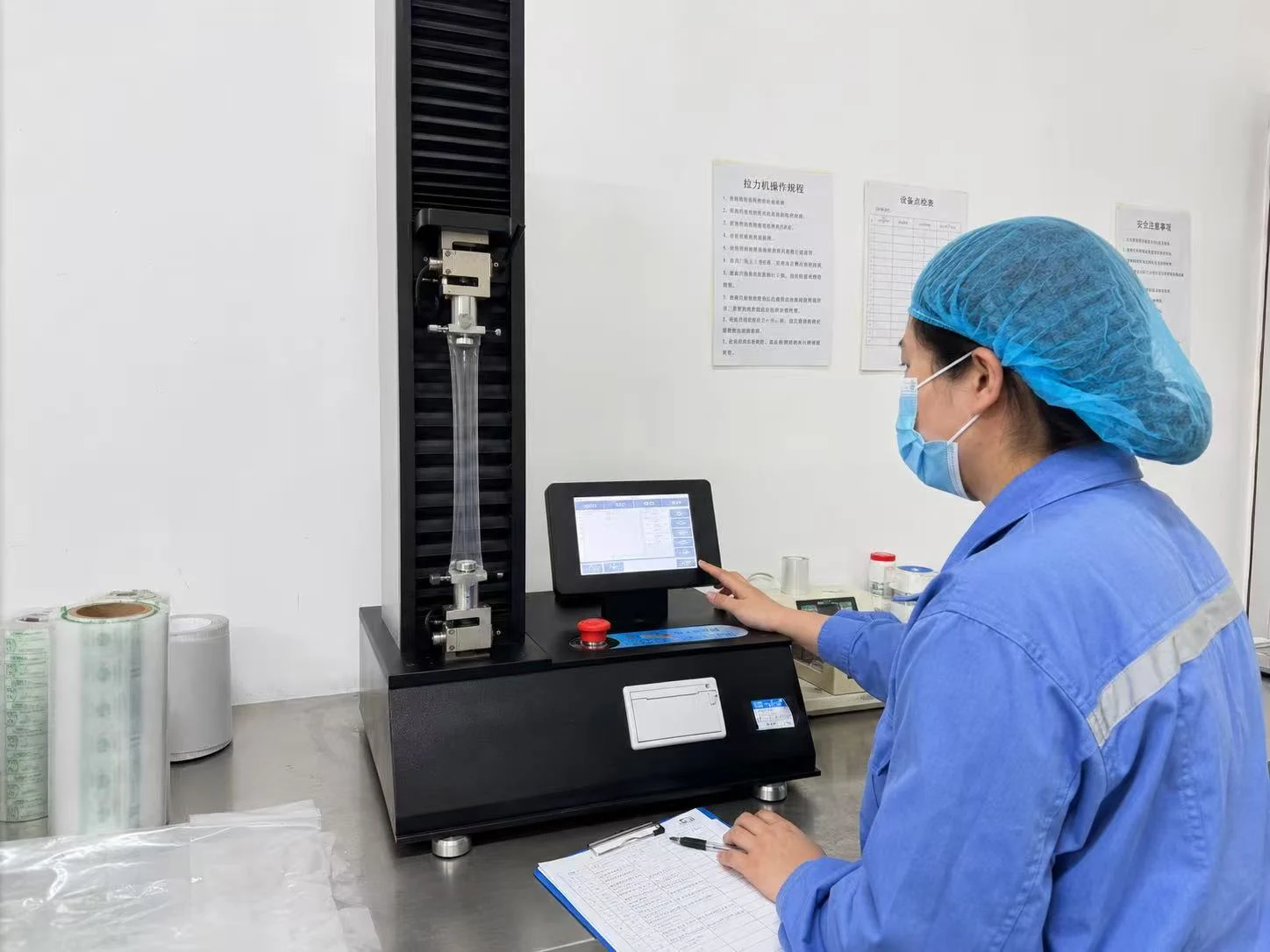
Raw Material Strength Testing for Spout Pouches
For spout pouch and flexible packaging production, we test films and laminated materials for tensile strength, elongation, and durability to ensure stable performance during lamination, pouch making, heat sealing, filling, and transportation, helping reduce packaging damage and leakage risks.
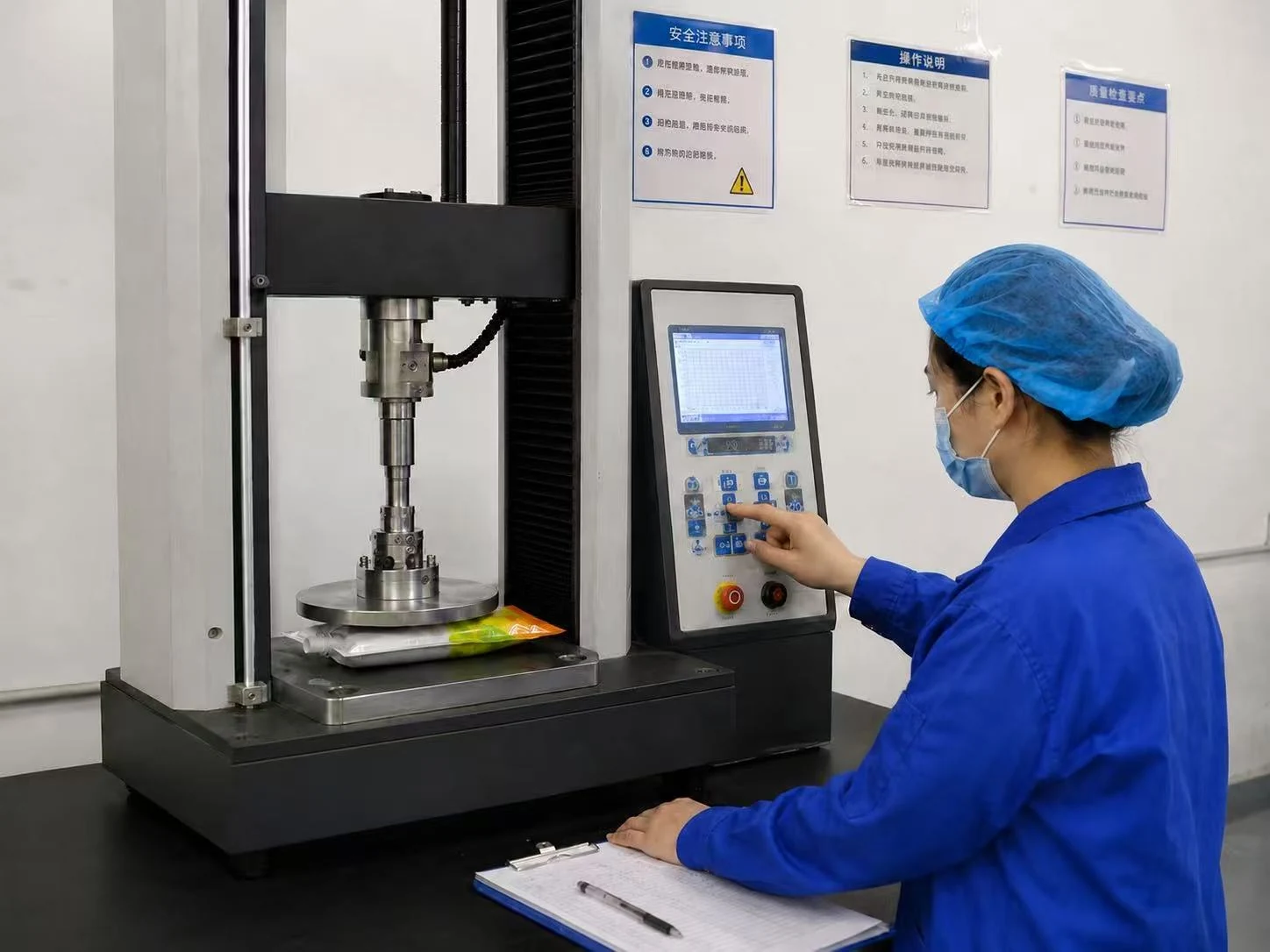
Spout Pouch Seal Strength & Compression Testing
We conduct seal strength and compression testing on finished spout pouches, focusing on the stability of the spout welding area, pouch opening seal, side seals, and bottom structure. This helps evaluate sealing performance during filling, stacking, storage, and transportation, reducing leakage risks for liquid packaging.
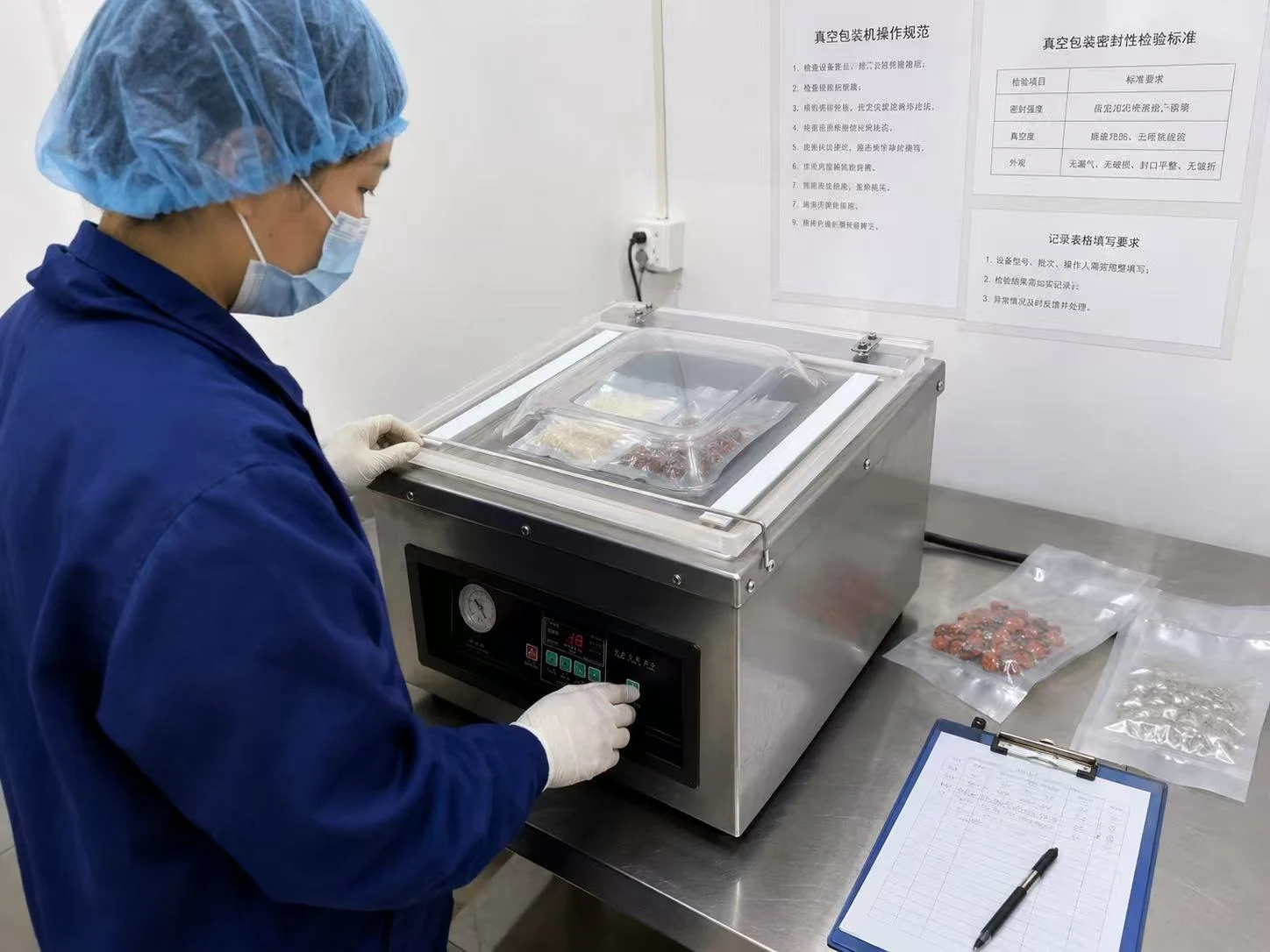
Vacuum Food Pouch Leak Inspection
We conduct leak inspection for vacuum food packaging pouches, focusing on heat-sealed openings, sealed edges, pouch body, and corner areas to identify leakage, pinholes, weak sealing, or sealing defects, helping maintain good sealing performance during storage and transportation.
Certifications & Compliance
ISO9001 quality management and food contact material test documents are available. Compliance documents can be provided based on project requirements. The English summaries below are provided for website display and customer reference.
Food Contact Tested
Food Contact Material Test Report
English website summary based on the original laboratory test report
Standards & Conclusion
The tested sample meets the applicable requirements for food contact materials and products according to the report conclusion.
Key Tested Items
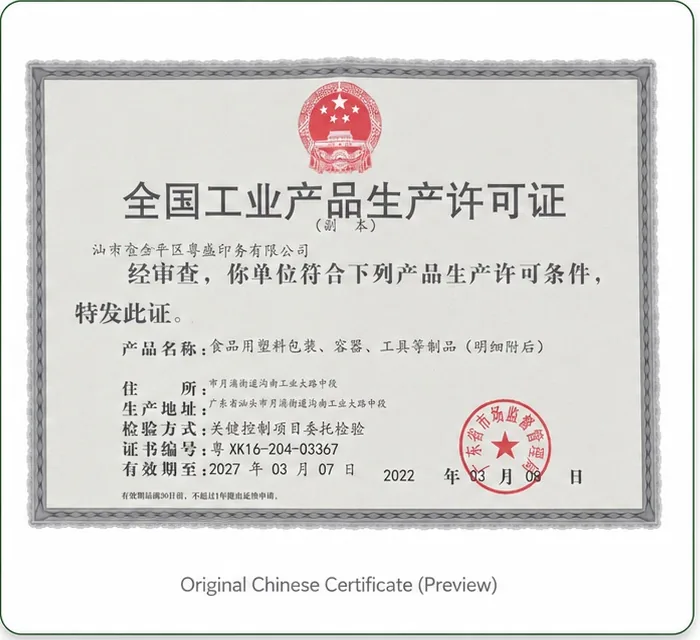
National Industrial Product Production License
Food Packaging Manufacturing License
English Summary Based on the Original Chinese Certificate
- Company Name:
- Shantou Jinping District Yuesheng Printing Co., Ltd.
- Product Category:
- Food-contact plastic packaging, containers, tools and related products
- Inspection Method:
- Key control items entrusted for inspection
- License No.:
- Yue XK16-204-03367
- Issue Date:
- 08 Mar 2022
- Valid Until:
- 07 Mar 2027
This license confirms that the company meets the production licensing requirements for the approved product category.
For website display and customer reference only. The original official document is issued in Chinese.
Quality Management
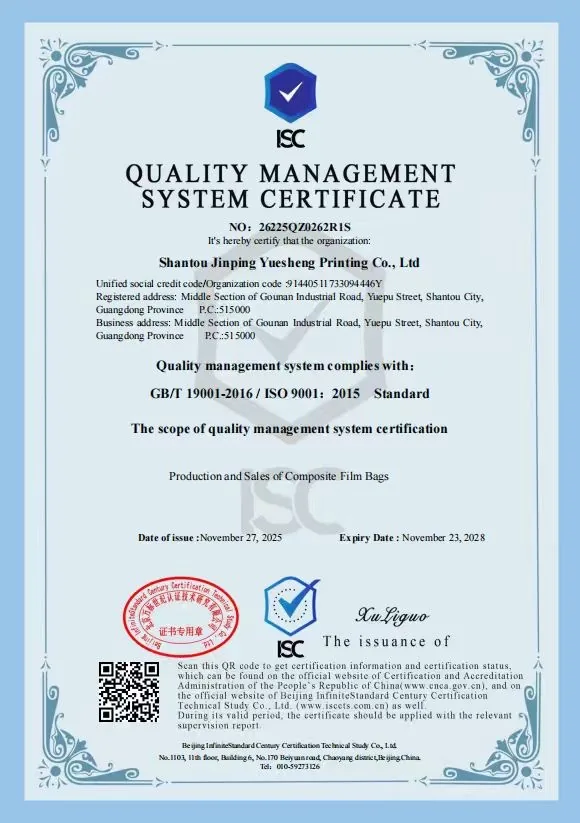
ISO 9001 Quality Management System Certificate
Quality Management System Certification for Flexible Packaging Manufacturing
Original certificate available upon request.
Flexible Packaging Material Structures for Different Applications
Different products require different levels of barrier performance, pressure resistance, heat-sealing strength, and food-contact safety. We select suitable laminated material structures for food, beverage, spout pouches, pet food, coffee, vacuum food packaging, and detergent refill applications. Recyclable materials, mono-material structures, and more sustainable packaging options can also be provided based on project requirements.
Typical Laminated Material Structure
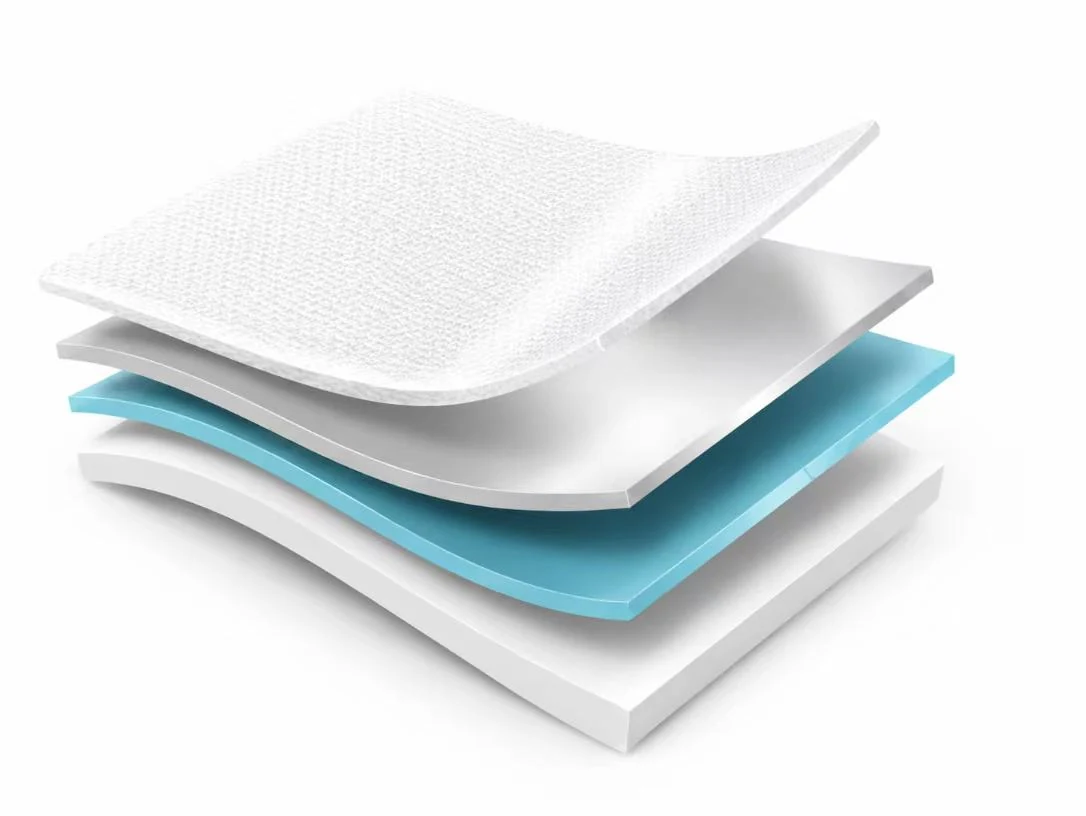
Used for print protection, surface stability, and packaging appearance.
Used for heat sealing and pouch forming, directly affecting sealing stability and packaging safety.
Material Performance Advantages
Application-Based Material Selection
Material structures are selected based on food, beverage, coffee, pet food, spout pouch, and refill packaging applications.
Food-Contact Material Support
Food packaging projects can use material structures suitable for food-contact applications, including snacks, beverages, pet food, and vacuum food packaging.
High-Barrier Protection
Foil, barrier films, or laminated structures can be selected for freshness, light blocking, moisture resistance, oxygen barrier, and transportation needs.
Sustainable Material Options
Recyclable materials, mono-material structures, and downgauging options can be provided according to project needs, balancing packaging performance and sustainability.
Common Material Structure Examples
PET / PE
Use: General packaging structure for dry products and basic packaging needs.
PET / VMPET / PE
Use: High barrier structure for snacks, pet food, powder and moisture-sensitive products.
PET / AL / PE
Use: Excellent barrier structure for products requiring better oxygen, light and moisture protection.
PET / NY / PE
Use: Strong puncture resistance for vacuum packaging, heavy products and liquid packaging.
Kraft Paper / PE
Use: Natural paper appearance for selected dry food and retail packaging applications.
Quality Management FAQ
Can you provide food-contact material test reports?
Yes. For food packaging projects, we can provide related food-contact material test documents, such as GB 4806-related reports, based on the selected material structure and order requirements. The exact documents depend on the material, application, and target market.
Do you perform leak-prevention testing for spout pouches?
Yes. For spout pouch production, we focus on the spout welding area, pouch opening seal, side seals, bottom structure, and final sealing condition. Heat-sealing and welding parameters are adjusted according to pouch size, material thickness, and application needs to help reduce leakage risks in liquid packaging.
How do you control printing quality?
During printing, we check registration accuracy, color stability, image clarity, and layout performance to ensure the packaging appearance matches the confirmed artwork and printing requirements.
Can you recommend material structures based on our product?
Yes. We recommend suitable laminated material structures based on product type, contents, filling volume, pouch style, barrier requirements, food-contact needs, and transportation method. Spout pouches, coffee bags, pet food bags, vacuum food pouches, and detergent refill packaging usually require different material solutions.
Do you inspect finished products before shipment?
Yes. Finished products are sampled before storage and shipment. Inspection items include appearance, dimensions, sealing quality, spout area, packaging integrity, and order quantity to confirm the products are ready for shipment.
What should be considered for liquid or semi-liquid packaging?
Liquid and semi-liquid packaging requires attention to barrier performance, pouch structure, spout size, heat-seal strength, spout welding stability, and sealing performance during transportation. We confirm suitable spout pouch structures and production parameters based on filling volume, contents, and application scenarios.